Why Sonbhadra? Bringing STEM to the Margins through Tinker on Wheels
Sonbhadra, located in southeastern Uttar Pradesh, is one of the most geographically and socially diverse districts in the state. Despite being rich in natural resources, it remains educationally and economically underserved. A large tribal population still remains disconnected from mainstream education, with many children being first-generation learners.
Due to the lack of quality education, healthcare, and public awareness, children in Sonbhadra often miss the chance to explore or develop their talents. Girls’ education in particular suffers from systemic barriers — early marriage, domestic responsibilities, and limited school access. For most students, STEM education is nearly non-existent. They’ve never coded, worked with electronics, or conducted science experiments — not because they lack potential, but because they’ve never had the opportunity.
Additionally, unemployment, migration, and lack of development continue to hinder the growth of youth in this region. Traditional teaching methods and outdated curricula do not equip them for the rapidly changing world.
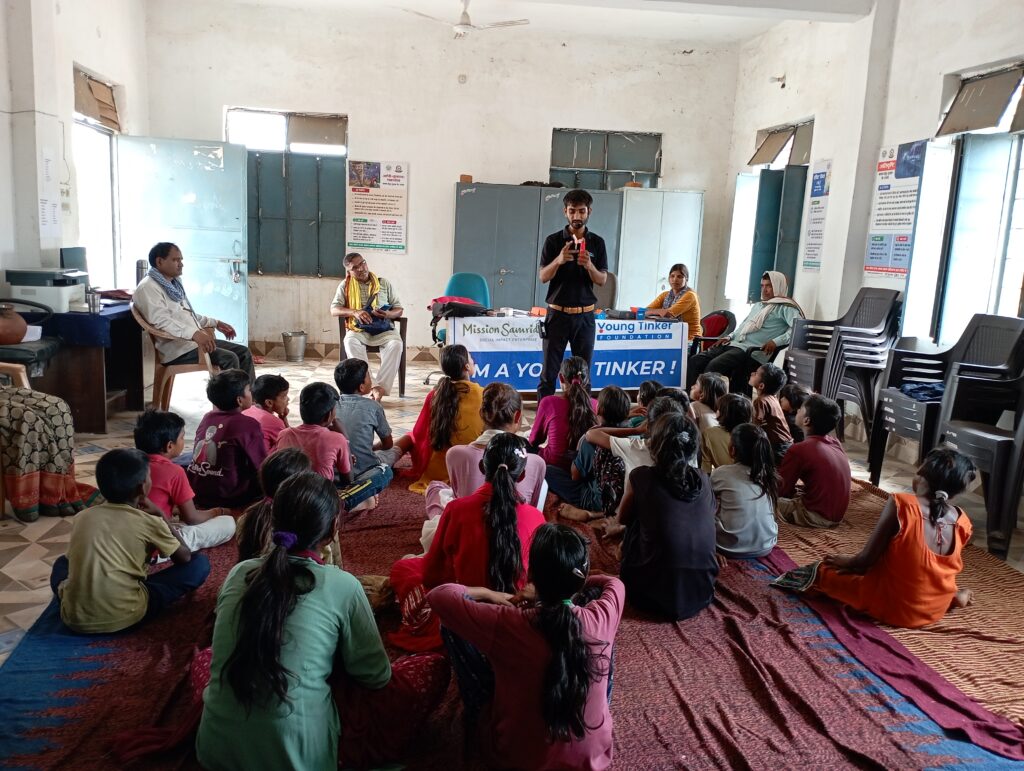
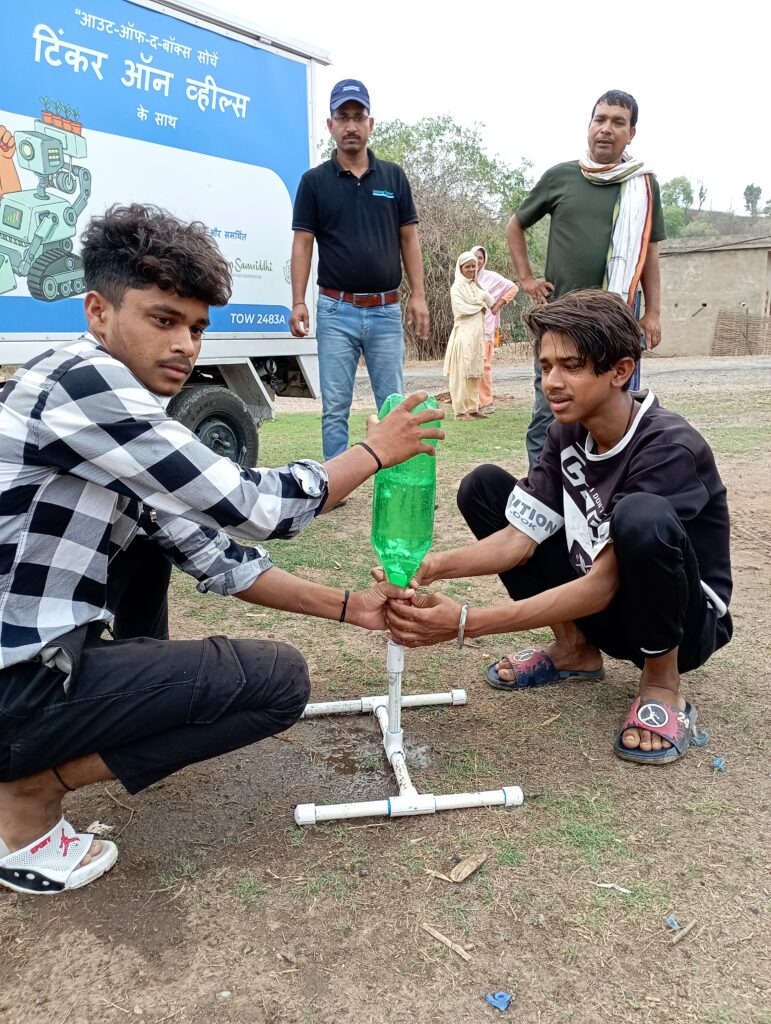
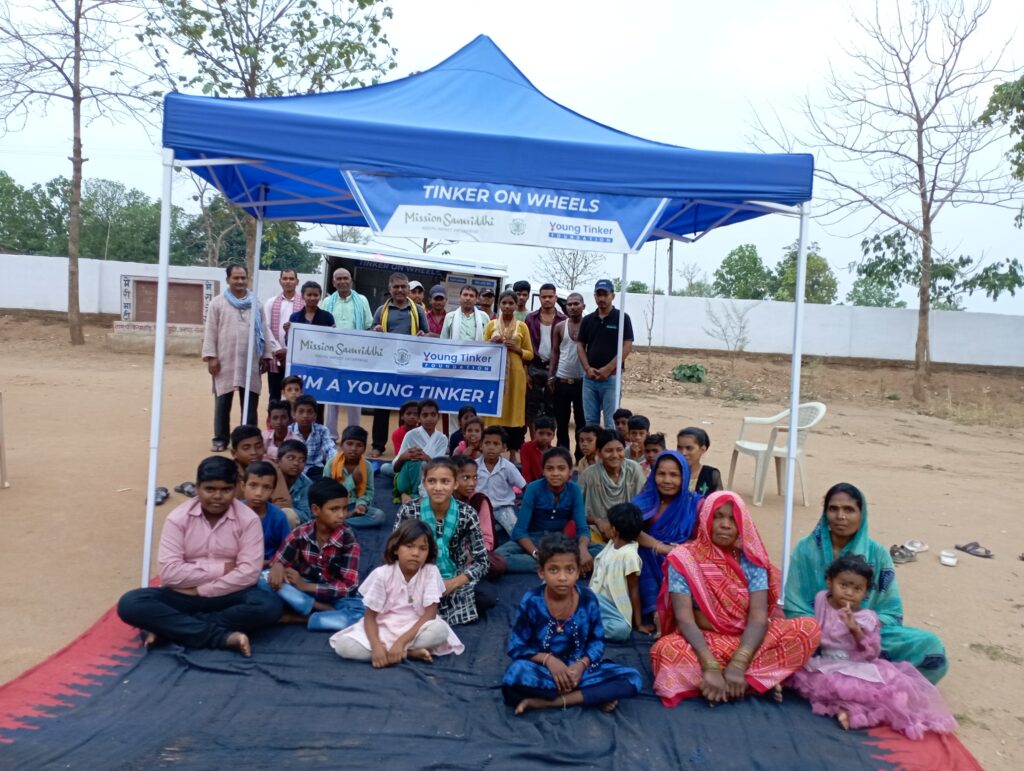
That’s why we launched TOW — Tinker on Wheels — in Sonbhadra.
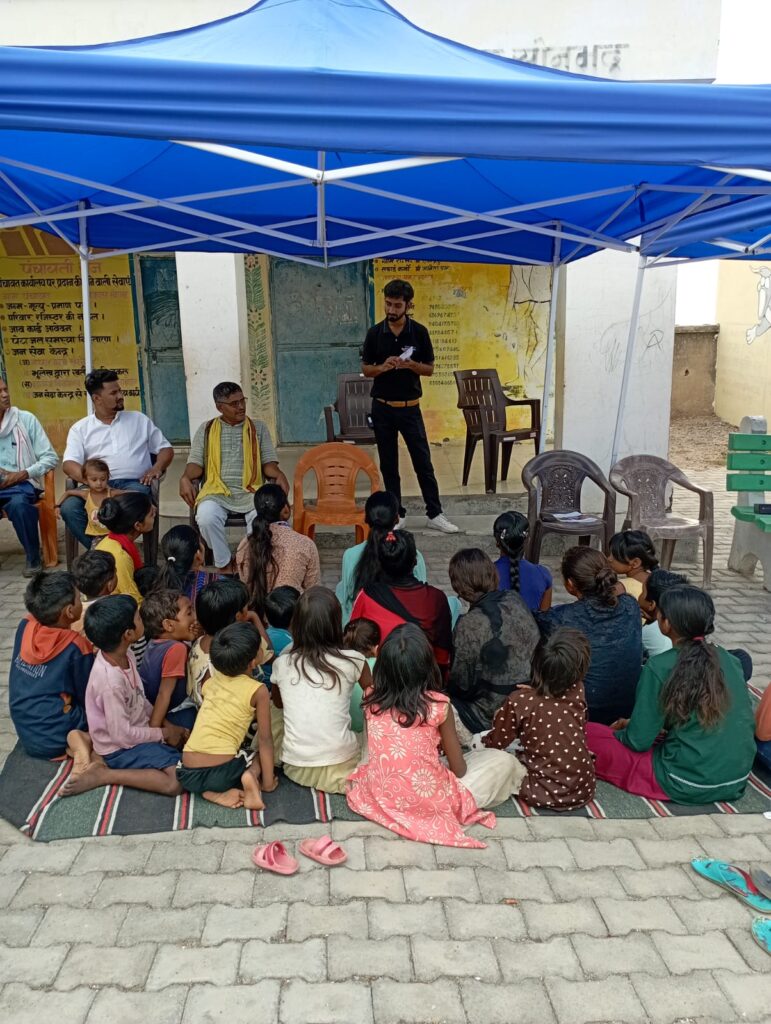
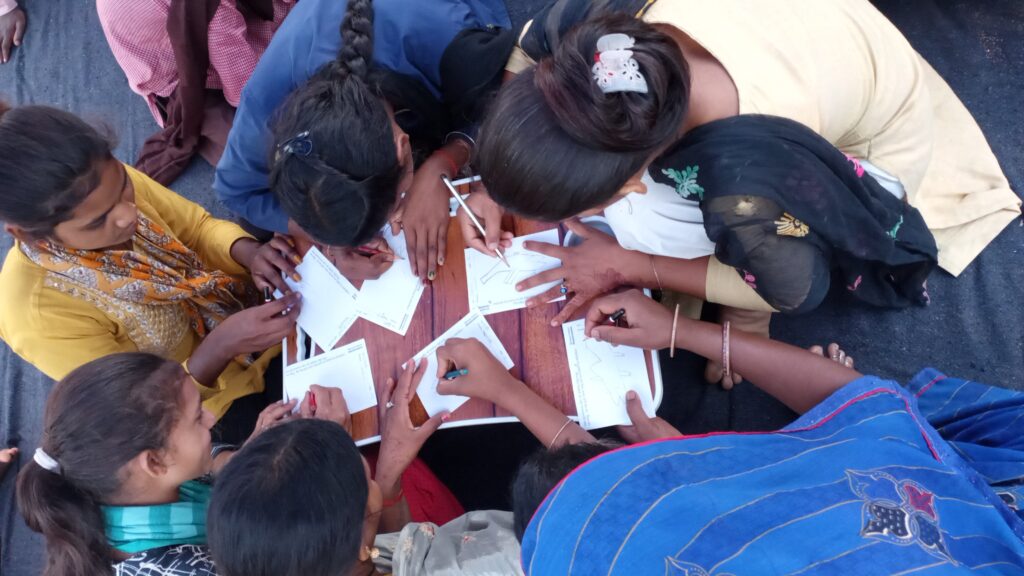
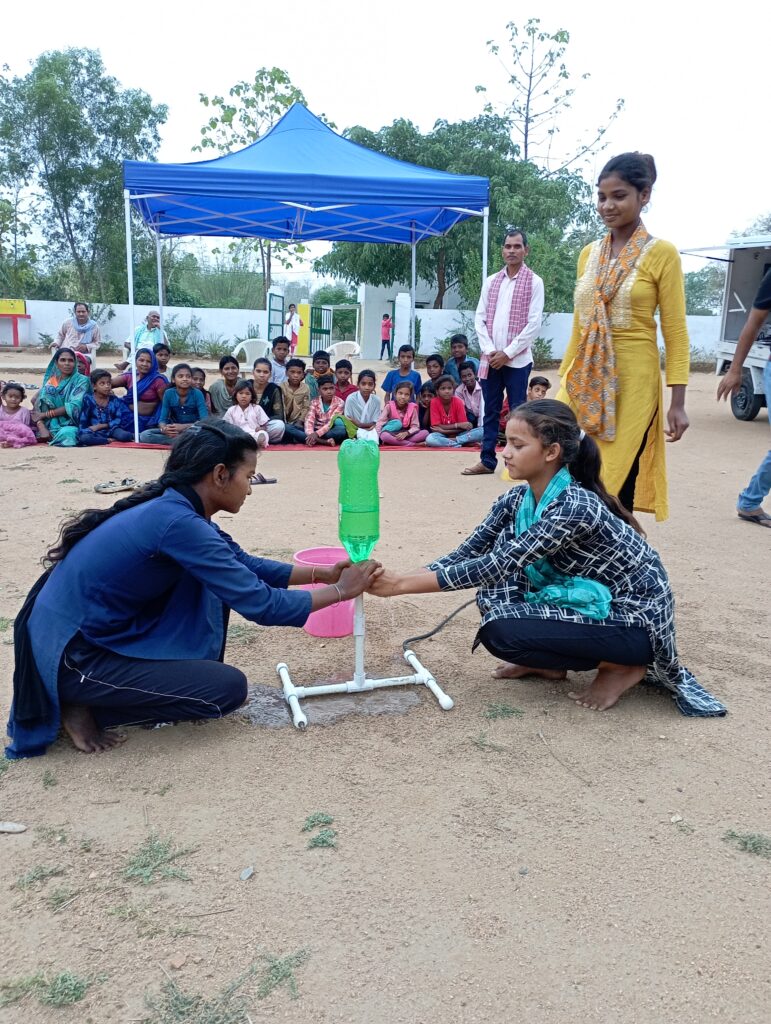
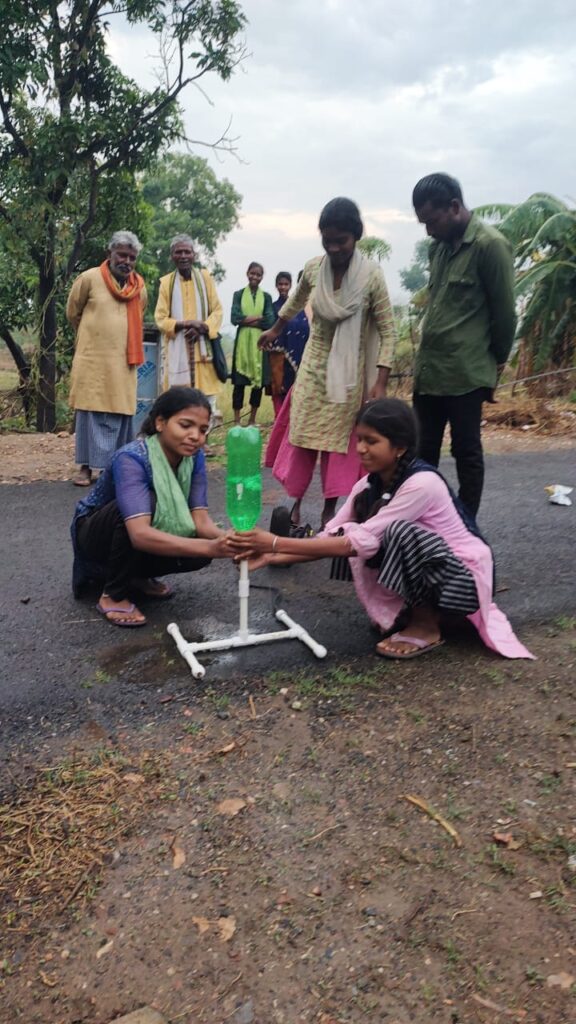
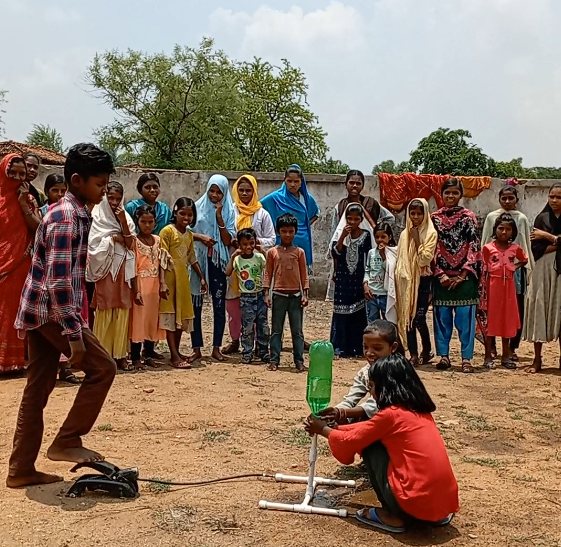
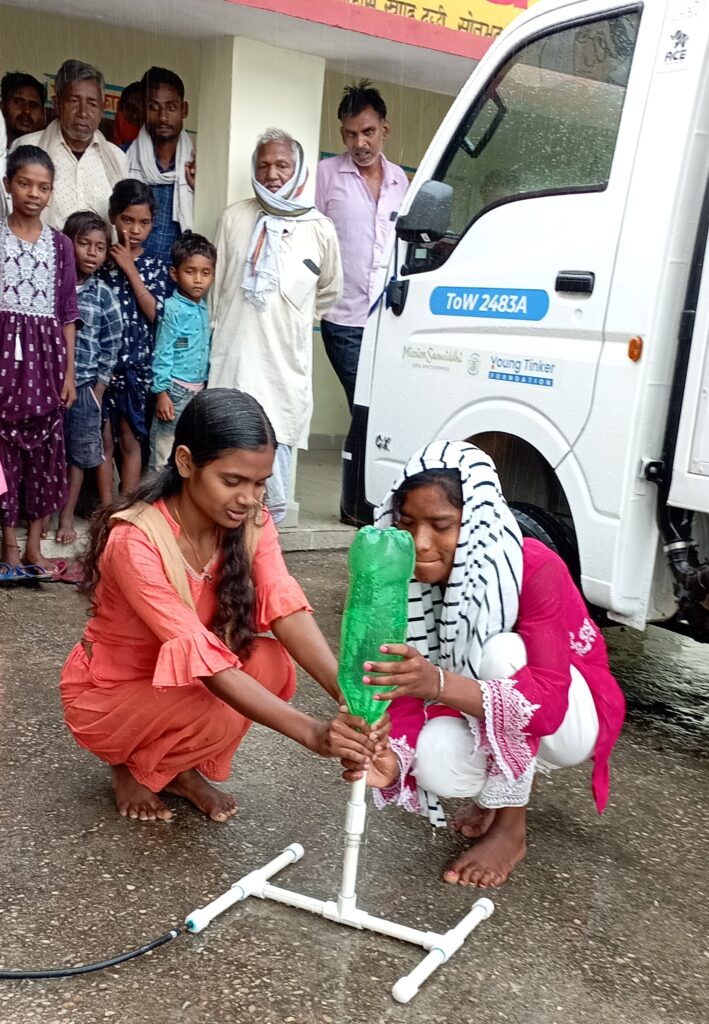
By bringing a mobile STEM and AI lab directly to the students, we aim to bridge this gap — empowering them with scientific thinking, creativity, and future-ready skills. Our mission goes beyond education: we seek to unlock the hidden potential of these children through innovation and skill-based learning, enabling them to become self-reliant, confident, and informed citizens.
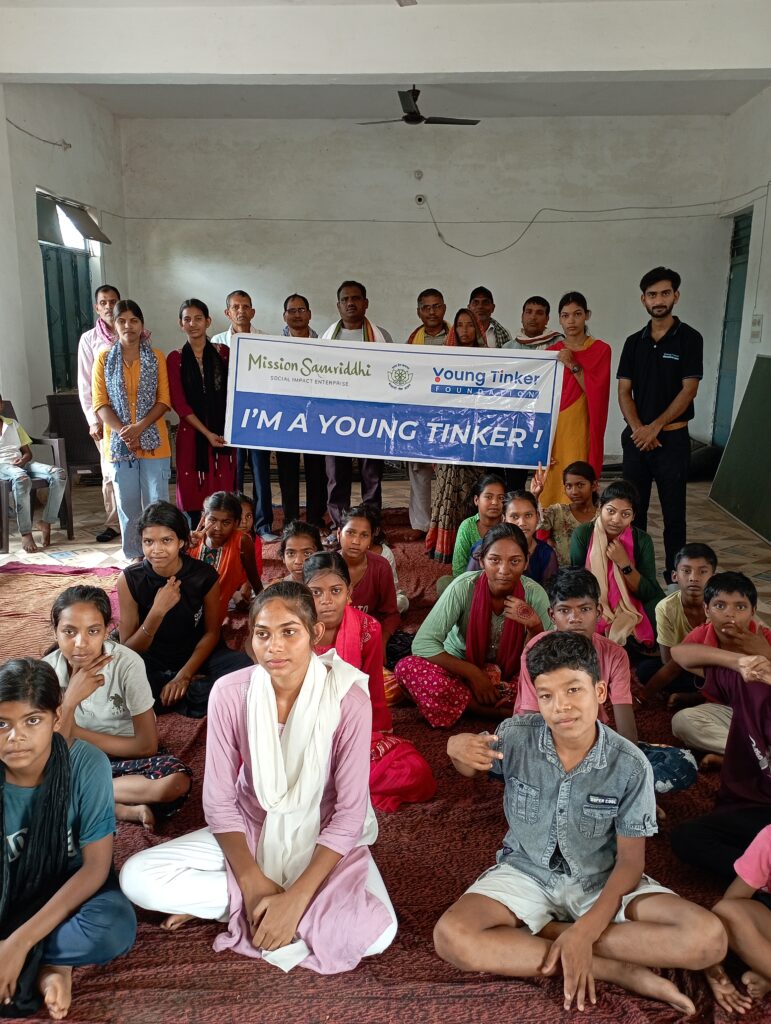
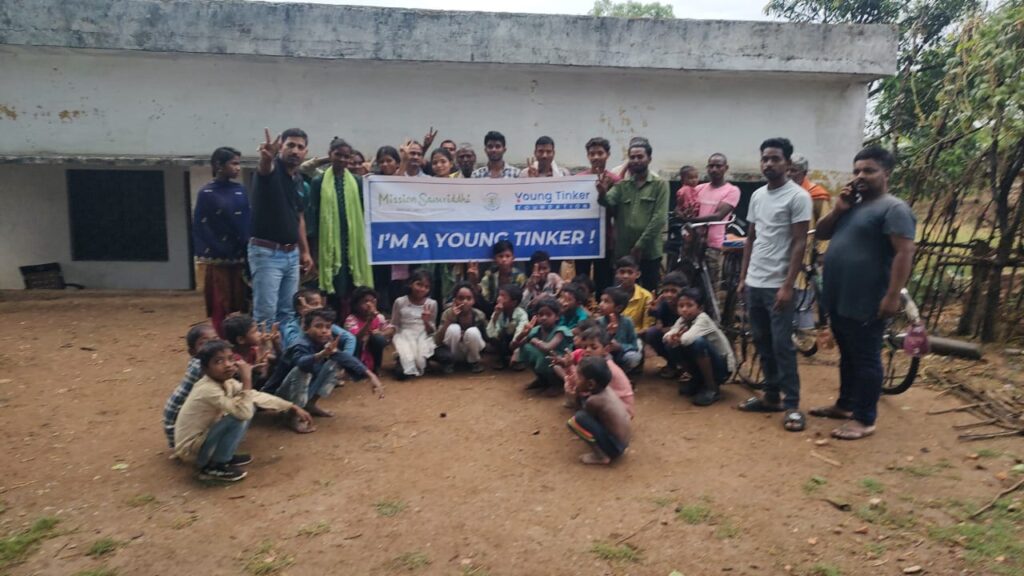
In this journey, the insights and deep community engagement of Banwasi Seva Ashram and Mission Samridhi played an invaluable role. For decades, Banwasi Seva Ashram has been working at the grassroots level to uplift marginalized communities in Sonbhadra through education, healthcare, and sustainable development initiatives. Similarly, Mission Samridhi has been tirelessly focused on improving local livelihoods and creating opportunities for youth empowerment. Their understanding of the region’s needs, trust within local communities, and commitment to social change helped us reach children in some of the most remote areas — ensuring that the promise of STEM education truly reaches the margins.