
In June, an email from The Hong Kong Jockey Club Charities Trust arrived with a line I read twice: “Welcome Aboard – Your PBC 2026 Fellow Journey Begins.”
I had been selected as one of five young leaders from Asia for the Philanthropy for Better Cities (PBC) Fellowship Programme. On 5 September, I flew to Hong Kong.
I went with one question: if we want better cities tomorrow, shouldn’t we start with what we teach children today?
Arriving


The first view from my hotel window felt like an answer to “what is a city?”: towers, the harbour, highways folding over one another, and every bit of it planned by someone.
The Forum: “Leaping for Impact”
PBC 2026 was held on 7–8 September at WestK, the West Kowloon Cultural District. It was convened by The Hong Kong Jockey Club Charities Trust together with the Institute of Philanthropy, and this was its 10th edition. Over the past decade, PBC has brought together more than 10,000 participants and over 380 speakers from more than 40 countries and regions. This year, more than 2,300 delegates attended under the theme Leaping for Impact.
The theme borrowed from sport. Inspired by Olympic and Paralympic values, the Forum asked what philanthropy can learn from athletes: discipline, focus, resilience, teamwork and continuous improvement. Speakers included Hong Kong’s Chief Secretary for Administration, Chan Kwok-ki; former New Zealand Prime Minister Helen Clark; and Olympic champions Deng Yaping, Li Xiaopeng and Yang Yang. Sessions covered systems change, new approaches to capital, and cross-sector partnerships, and the Charities Trust released its first Impact Report, with a three-tier framework for measuring impact.
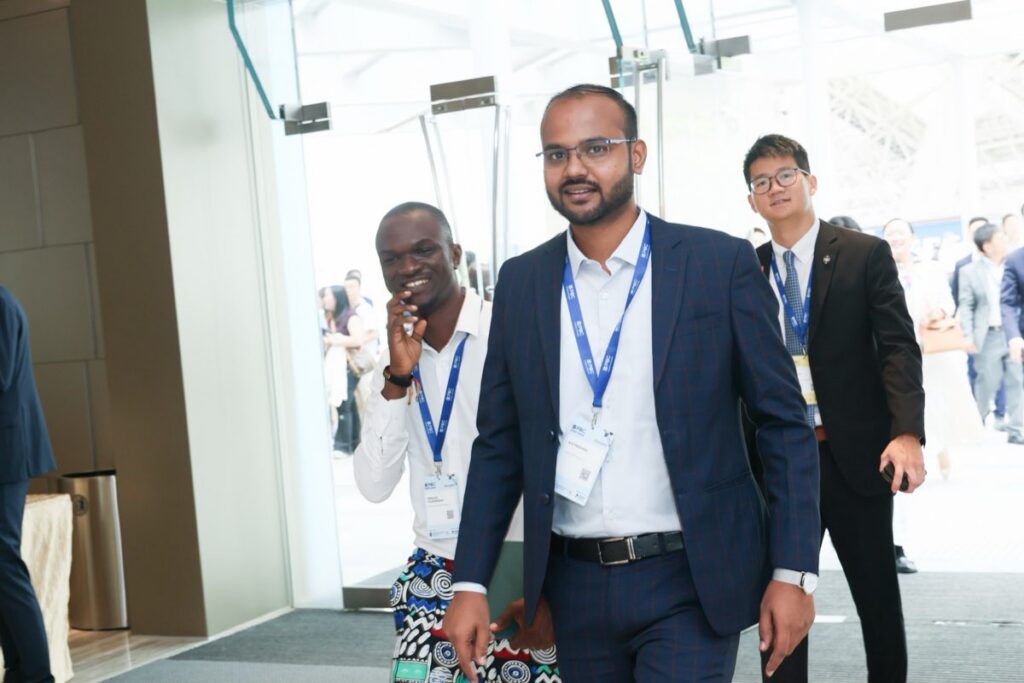
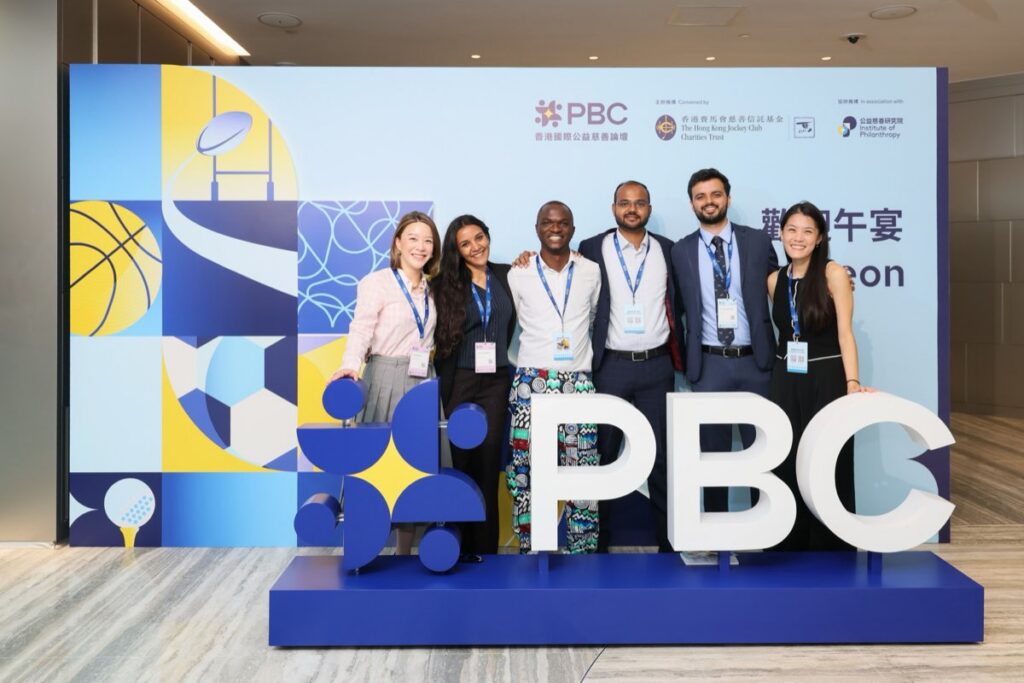
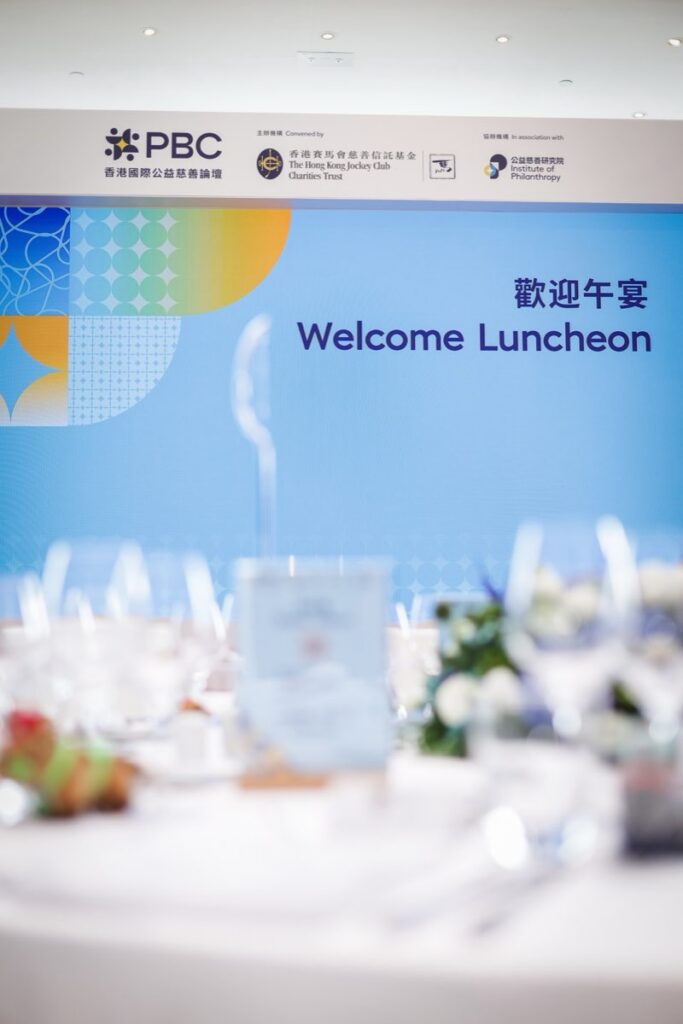
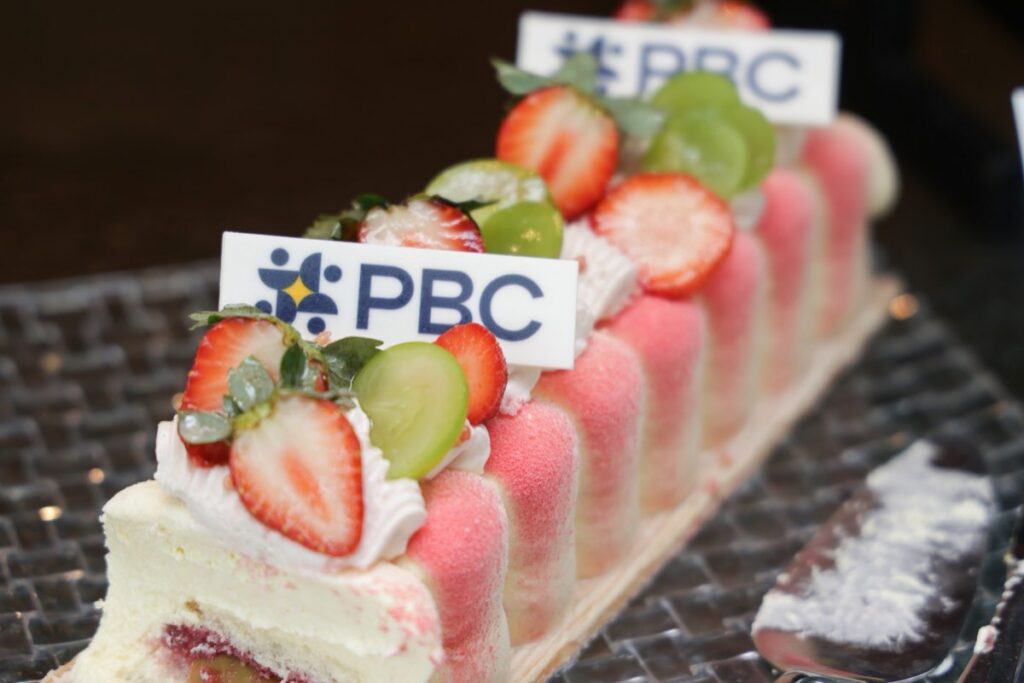
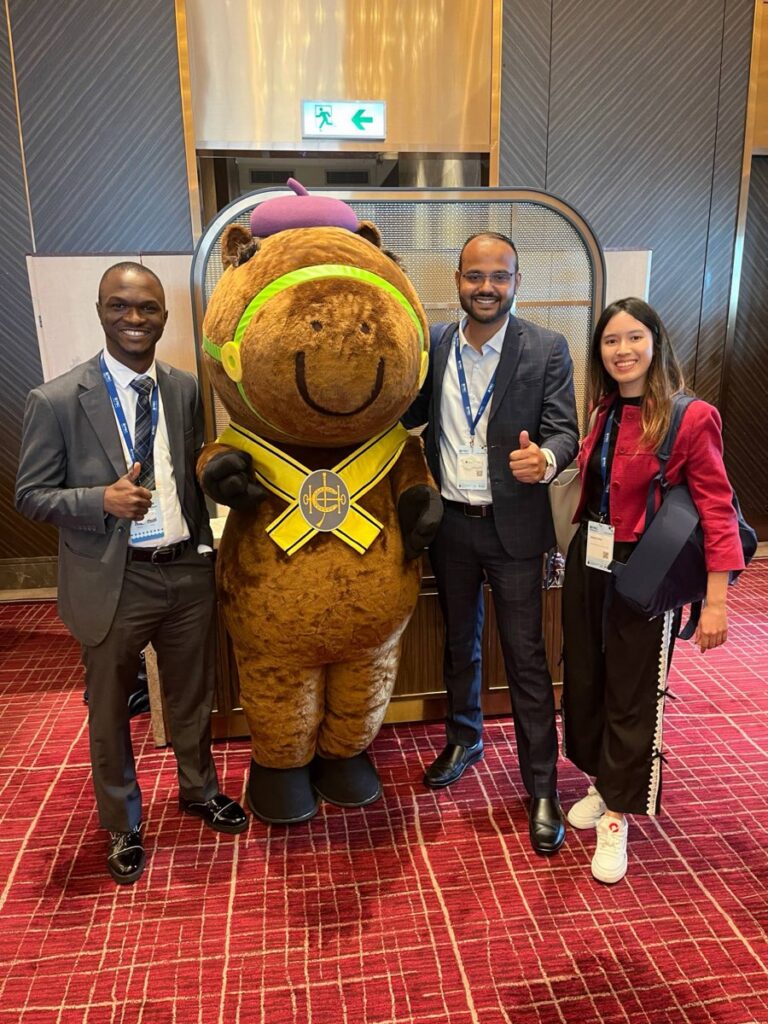

It was a room full of people who think about cities and the philanthropy that changes them. Most of my work happens in government schools, villages and Tinker on Wheels vans, so it was humbling to sit with funders, city planners and foundation leaders who think in decades and districts.
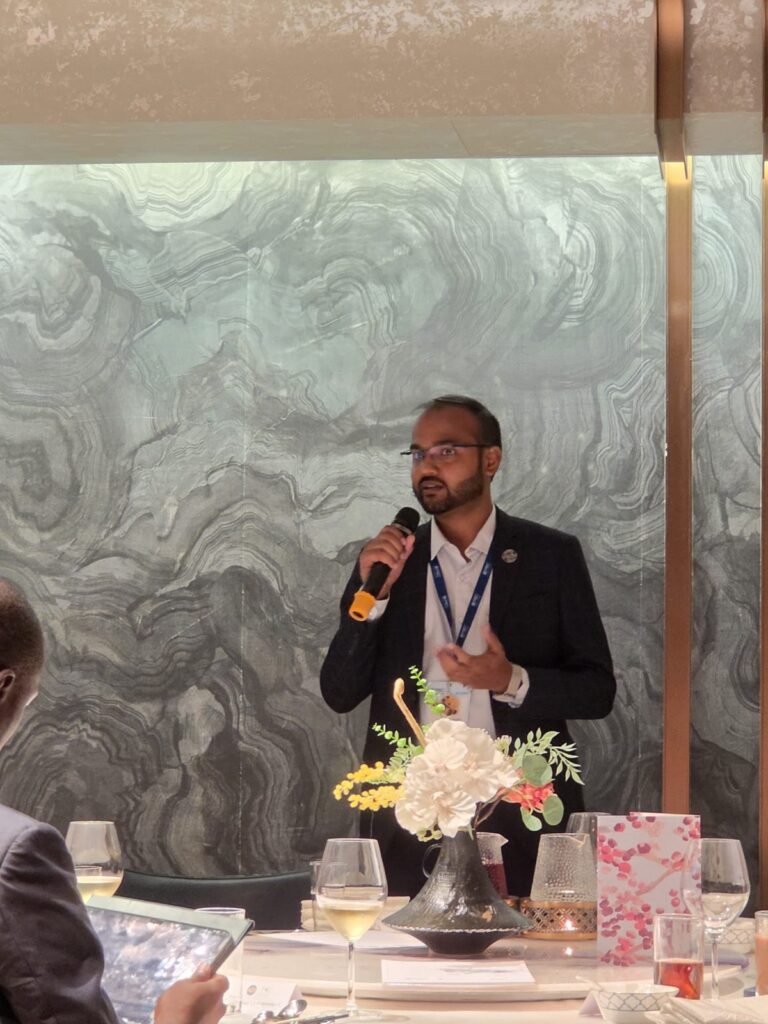
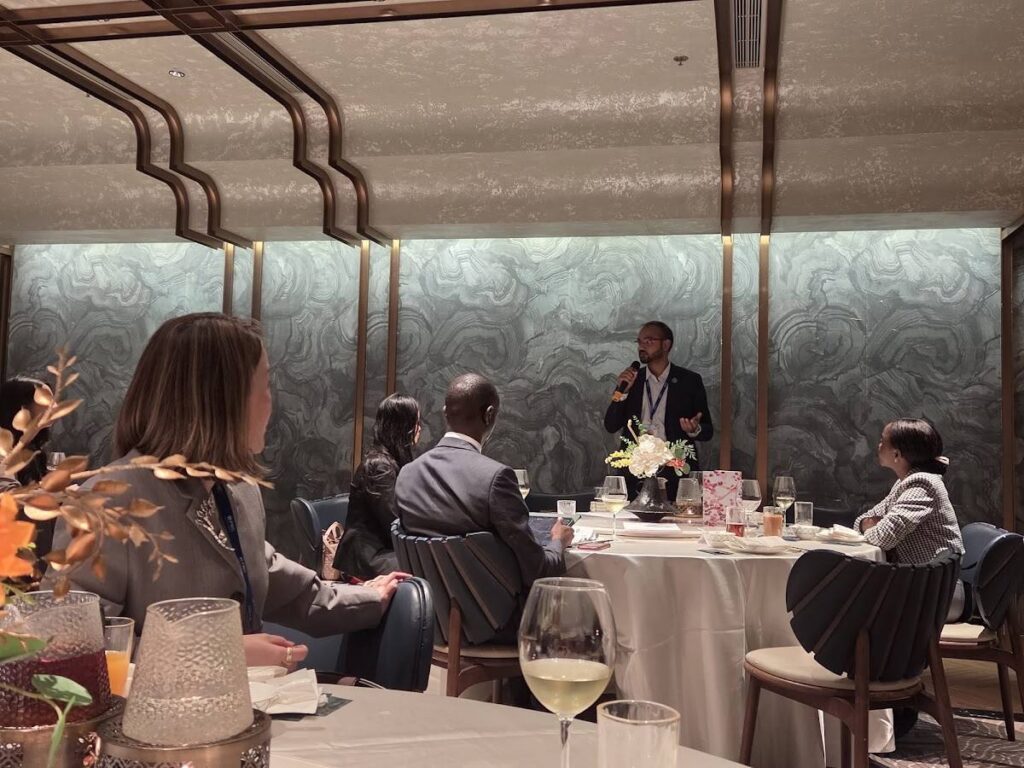
At a dinner with PBC Fellows, PBC Fellow alumni and LEAP Fellows, I was invited to speak about Young Tinker. I talked about cities and villages, about our work with students, and about how the two can come together to build a better world.
My main takeaway: city philanthropy and grassroots education are often discussed as separate things. They shouldn’t be. A city’s future engineers, planners and problem-solvers are sitting in a classroom right now. The question is whether anyone is asking them to solve real problems yet.
Mai Po: learning from a wetland
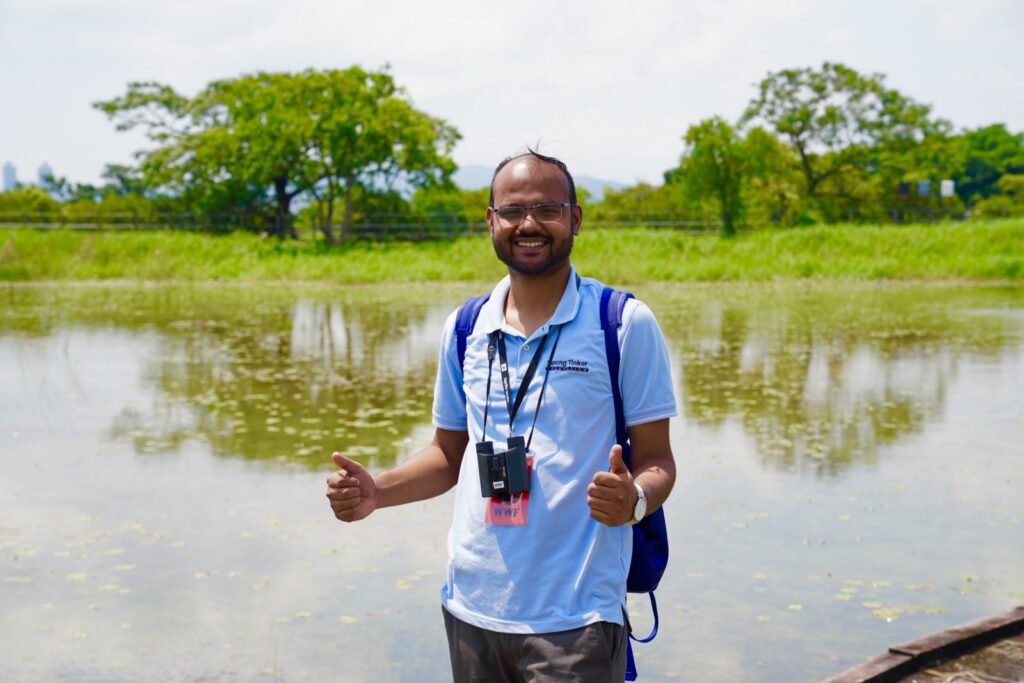
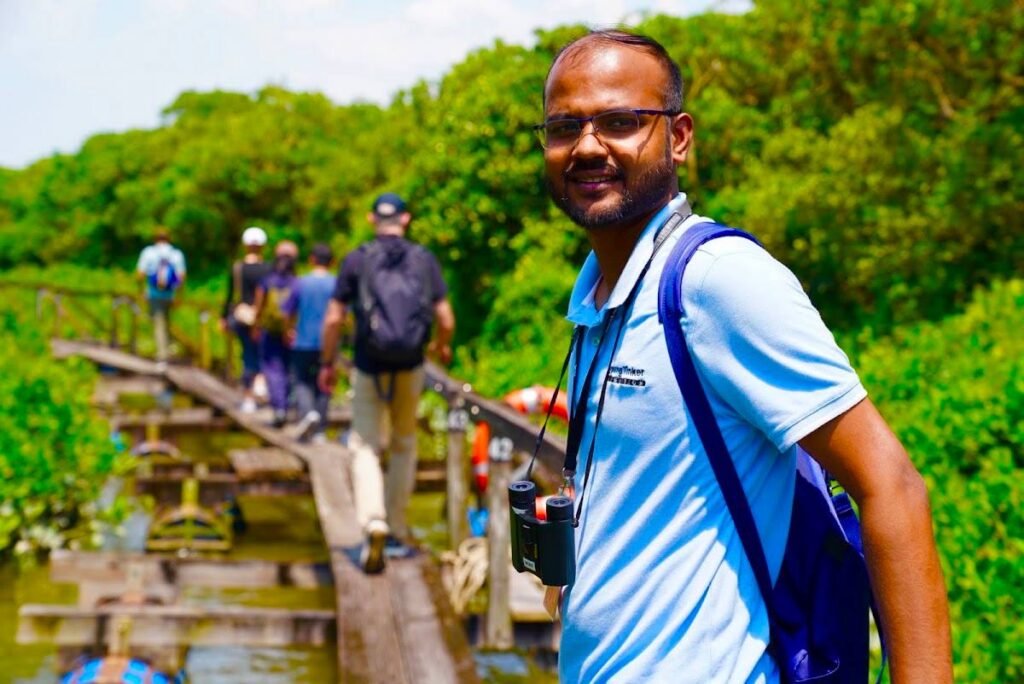
On 9 September, WWF-Hong Kong hosted PBC participants at the Mai Po Nature Reserve. They showed us their Smart Wetland Management Project, which uses technology and science to protect one of Asia’s most important wetlands. Across the water stands the Shenzhen skyline, a reminder of how closely nature and a megacity live side by side here.
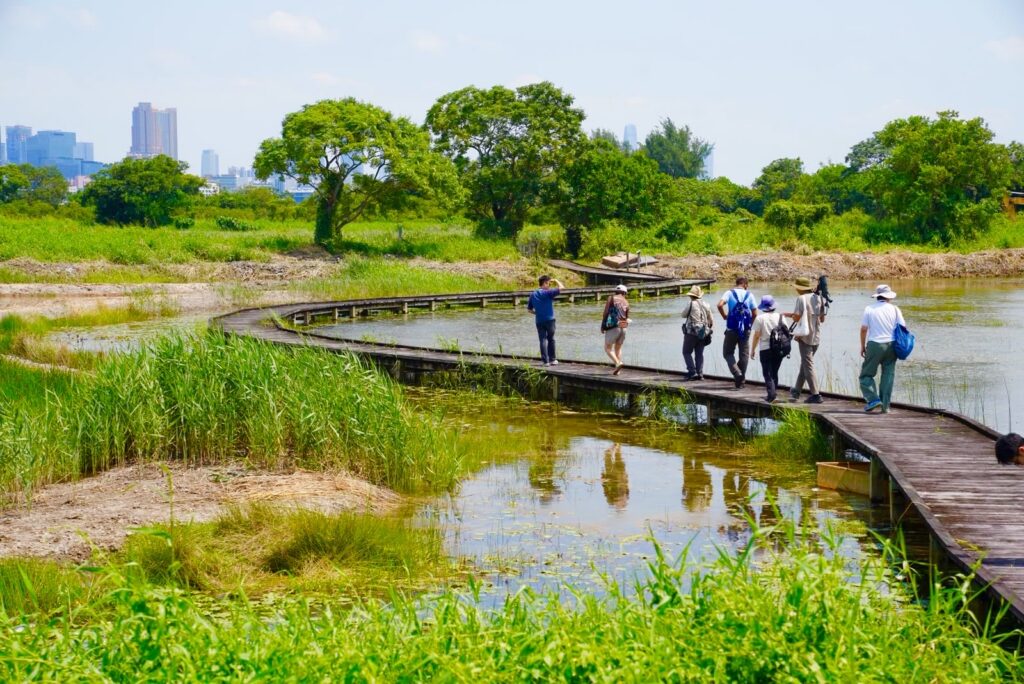
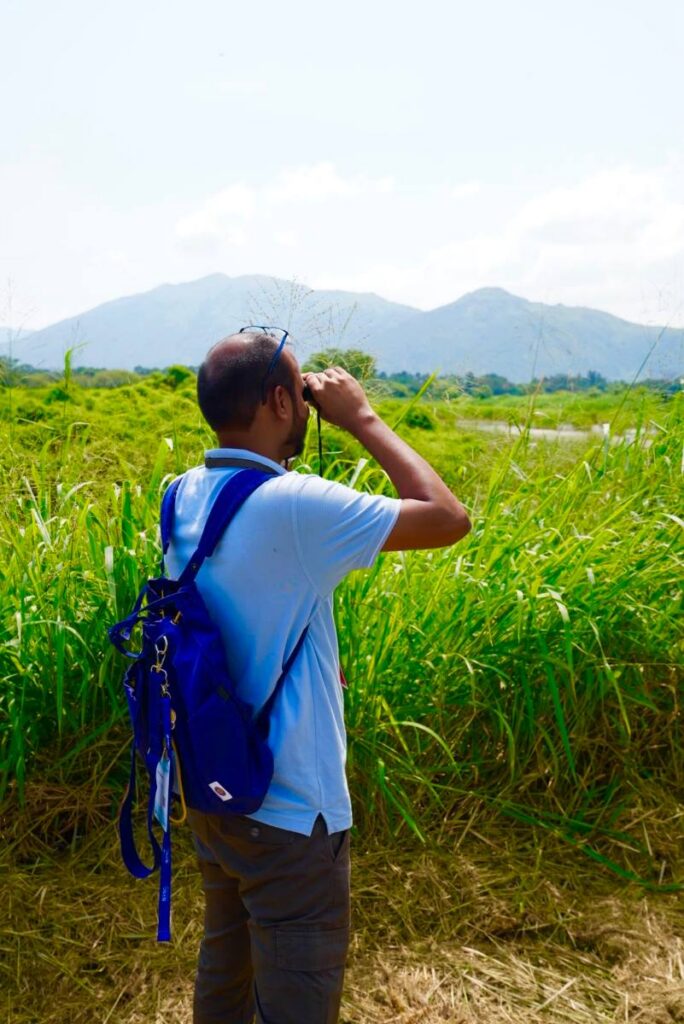
It was a live example of what we try to teach at Young Tinker: look closely at a real problem in your own surroundings, then use whatever tools you have to do something about it. I kept imagining our young tinkers building sensors to track water quality or count birds.
Our first Young Tinker workshop in Hong Kong
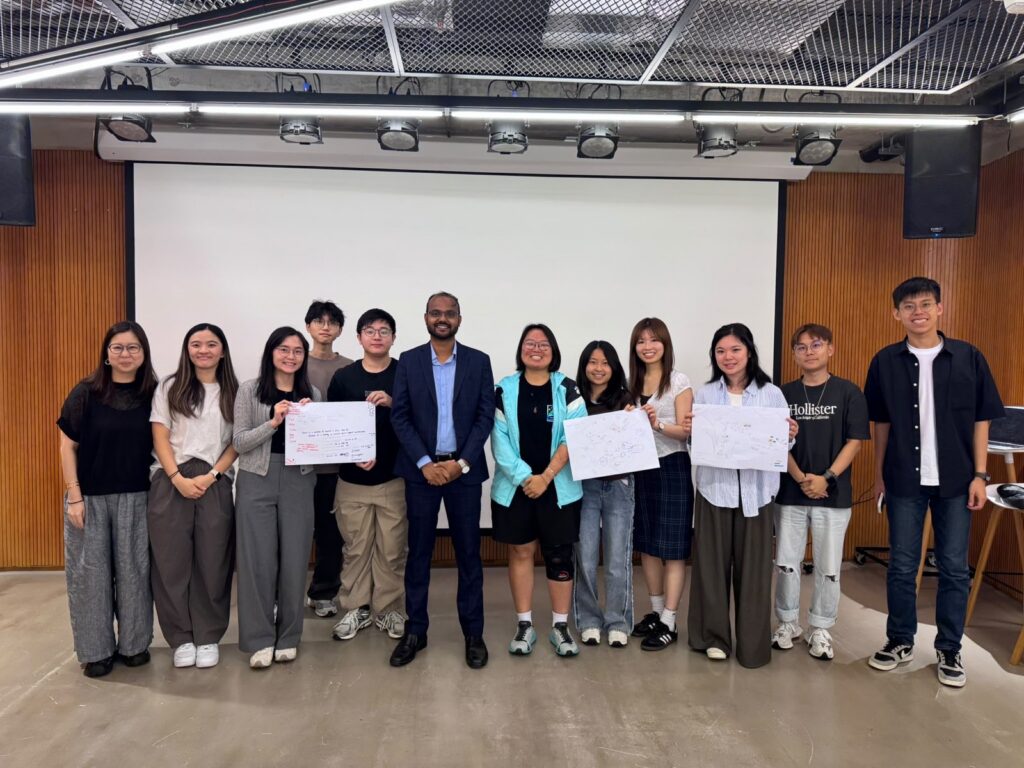
One of the moments I’m proudest of from this trip: Young Tinker ran its first workshop in Hong Kong.
We brought together university students and young professionals for a hands-on session on community problem-solving through technology. It began with a simple question: what problems around us are worth solving?
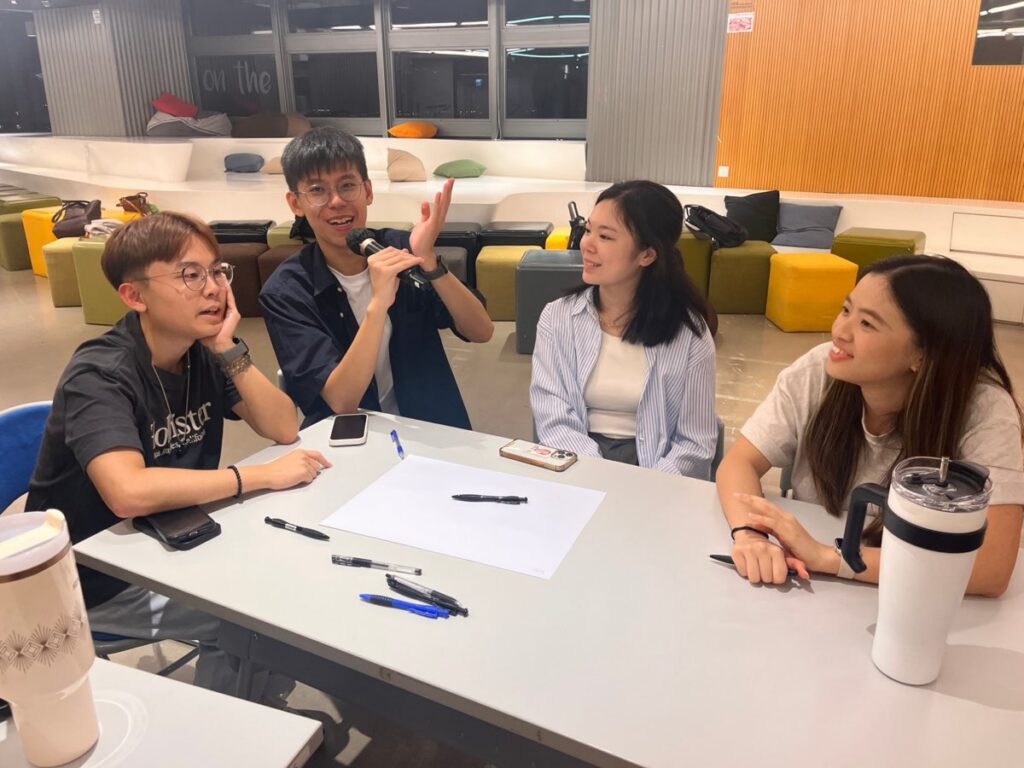
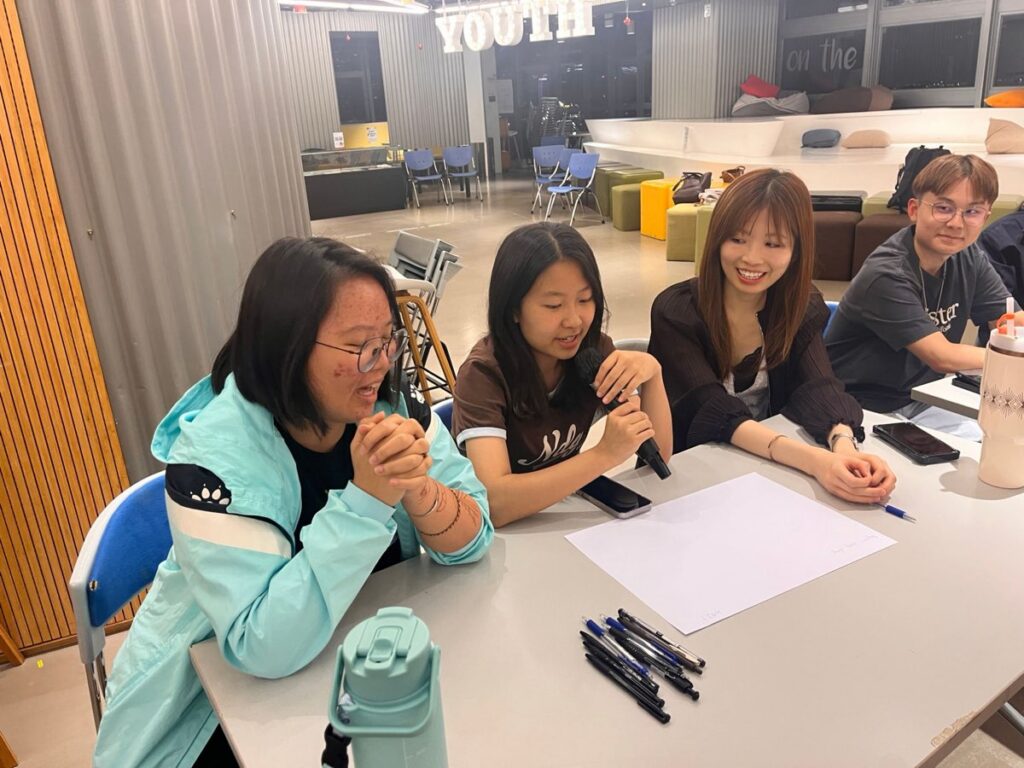
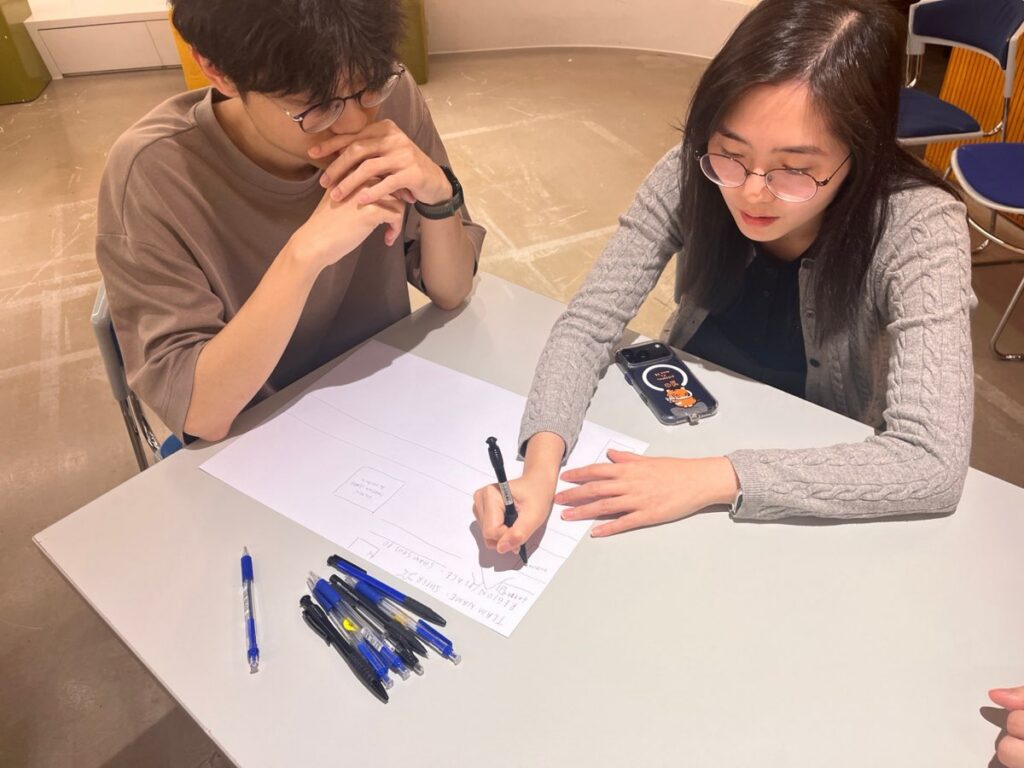
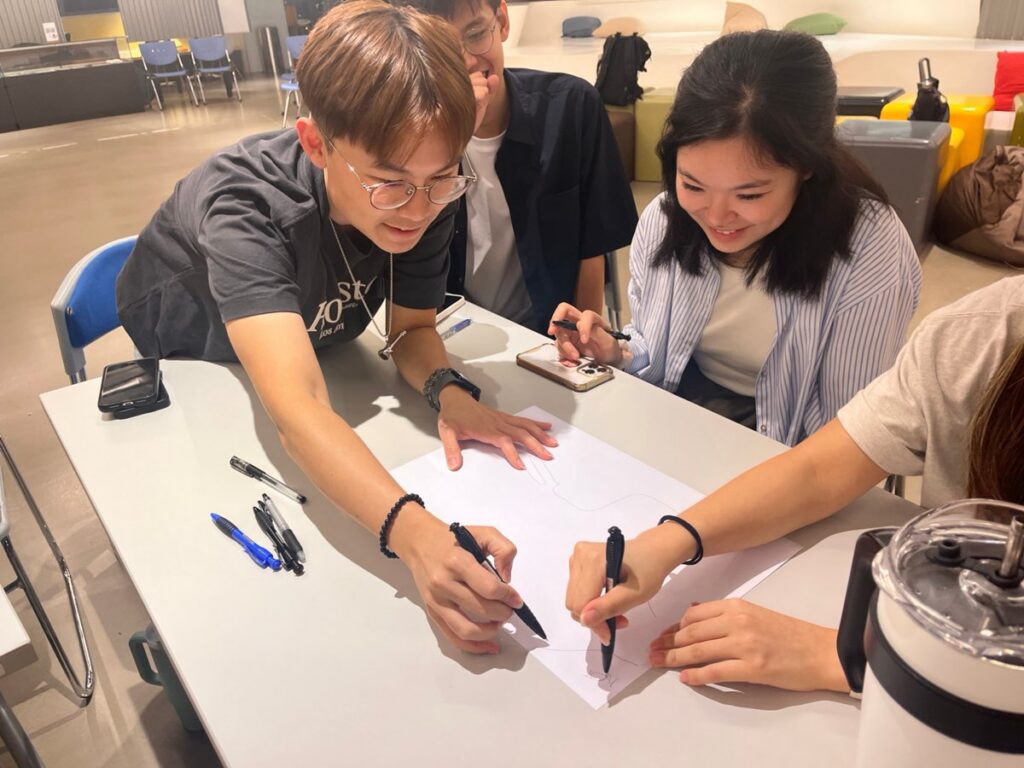
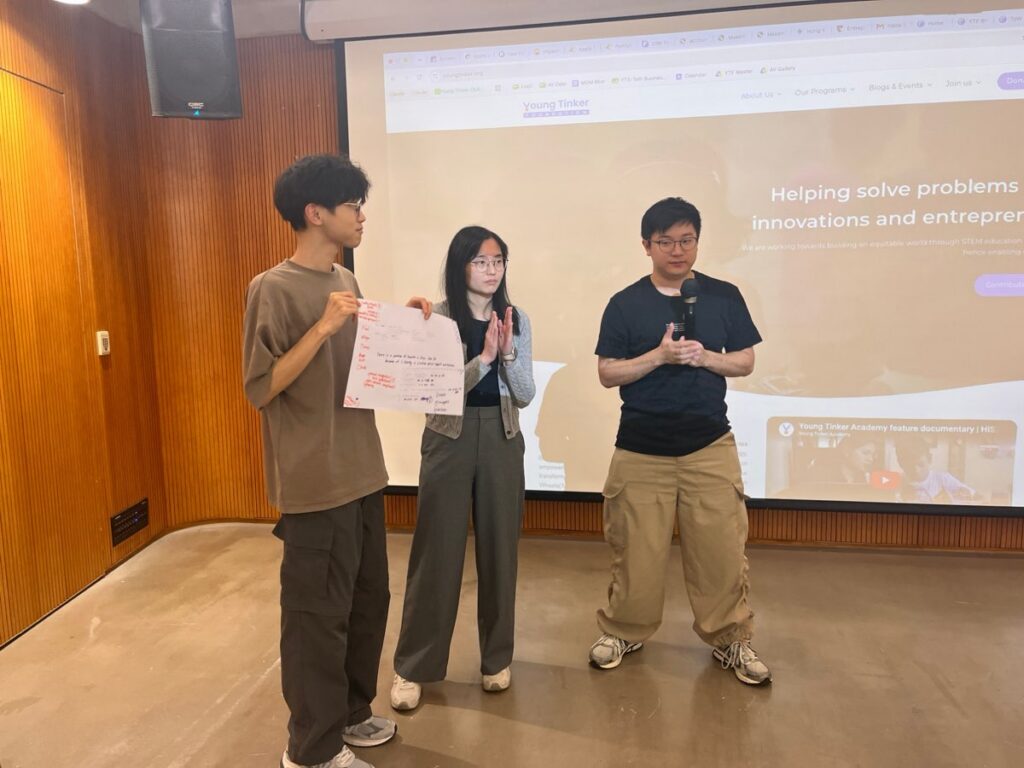
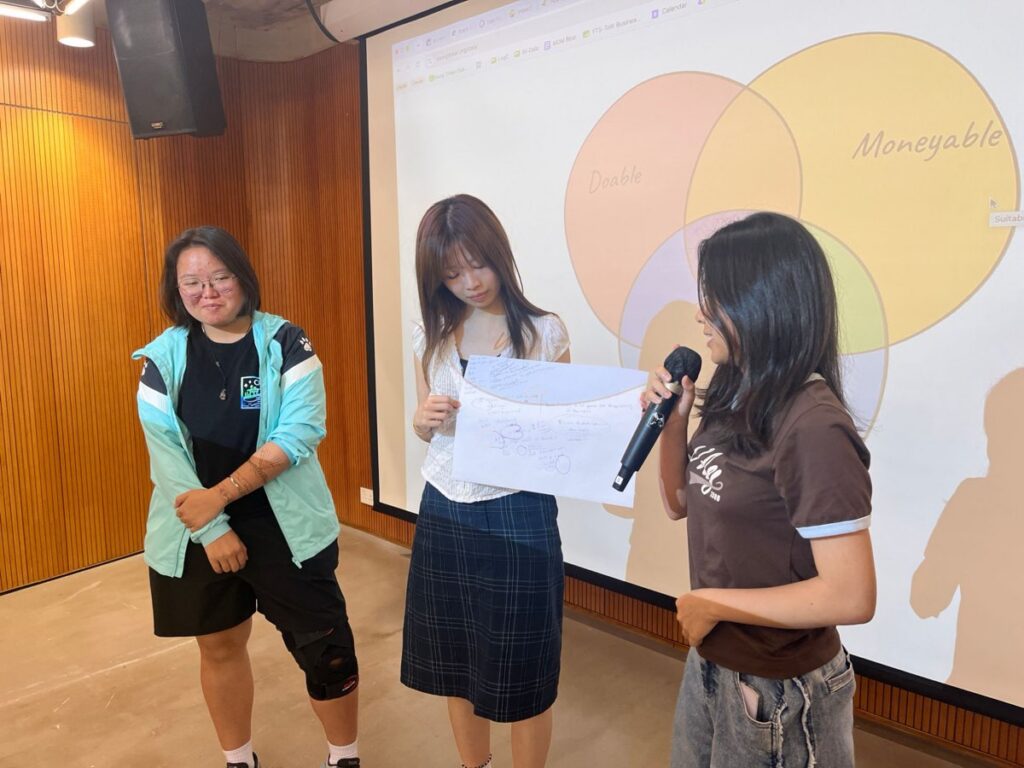
Through empathy and observation, participants explored real challenges in their communities. They worked in teams, exchanged ideas, developed possible solutions and presented them to the room. The session was about learning by doing: looking at your community differently, and believing you can be the one who fixes something.
A special thank you to the Hong Kong Red Cross (香港紅十字會) for making this possible and for hosting us at the Red Cross campus.
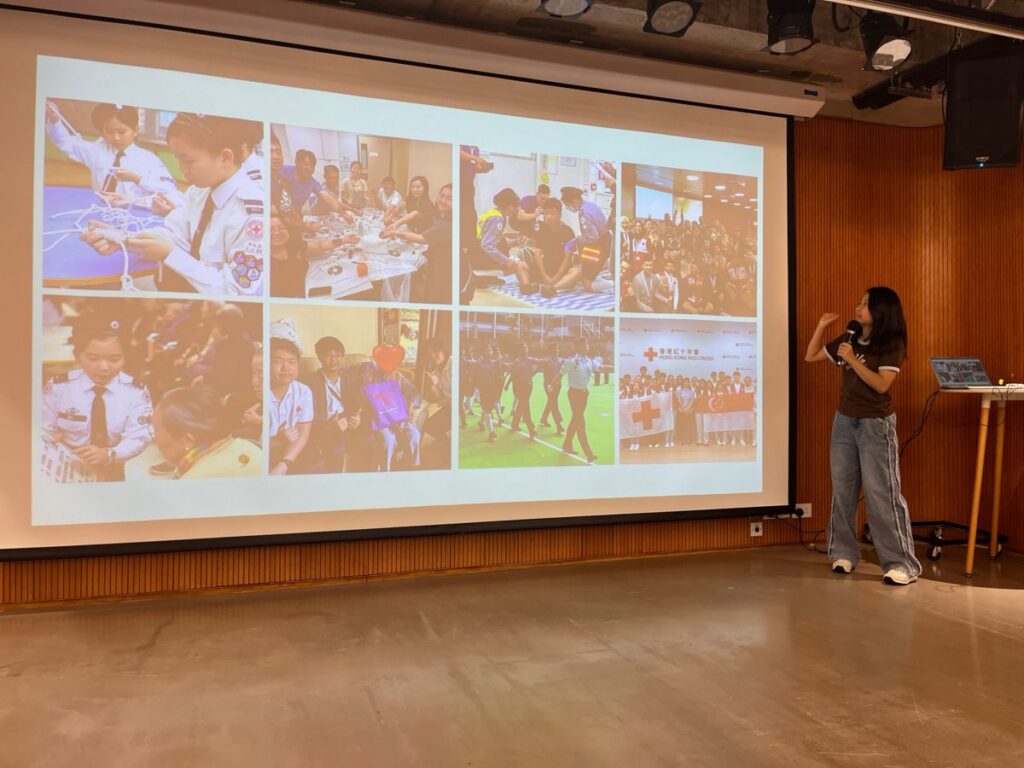
It was only the beginning. Since the workshop, students have been exploring starting Young Tinker Clubs at their own institutions. These would be spaces where they can keep learning, tinkering, building and solving real-world problems together. Our job now is to build the platform, community and opportunities that help them keep going.
HKUST: a conversation about campuses
On 11 September, I visited the Hong Kong University of Science and Technology (HKUST) and met Prof. Tim Woo and his colleagues. They introduced their Center’s work in engineering education, experiential learning and outreach to schools. I shared our work in India and the US, and our Young Tinker Club (Campus) model: student-led chapters that take on community problems through hands-on STEM and the responsible use of AI.
Small things



The magnets on the souvenir stalls are Hong Kong in miniature: tram, skyline, harbour and lion dance. I brought a few back for the team.
What I’m bringing home
1. Scale needs patient capital. Almost everyone I met at PBC thinks in 10–20-year horizons. Young Tinker has reached more than 270,000 students, but reaching the next million needs funders who think the same way.
2. Universities are our next multiplier. Our first workshop in Hong Kong was with university students and young professionals, and they are the ones now talking about starting clubs. College students mentoring school students is the most scalable model we have.
3. Cities are built by problem-solvers. The Forum, Mai Po and the students at the Red Cross campus all pointed back to our core idea: teach young people to see the problems around them and build solutions. That isn’t only an education goal. It’s how cities get better.
Thank you
To The Hong Kong Jockey Club Charities Trust and the PBC Fellowship Secretariat: thank you for the invitation, for the care that went into every detail, and for the chance to learn among such people. To my fellow Fellows: thank you for the conversations, the questions and the friendships. I hope our paths keep crossing.
If you’d like to start a Young Tinker chapter in your city or on your campus, write to me at anil@youngtinker.org or visit club.youngtinker.org.
— Anil Pradhan, Founder & CEO, Young Tinker Foundation