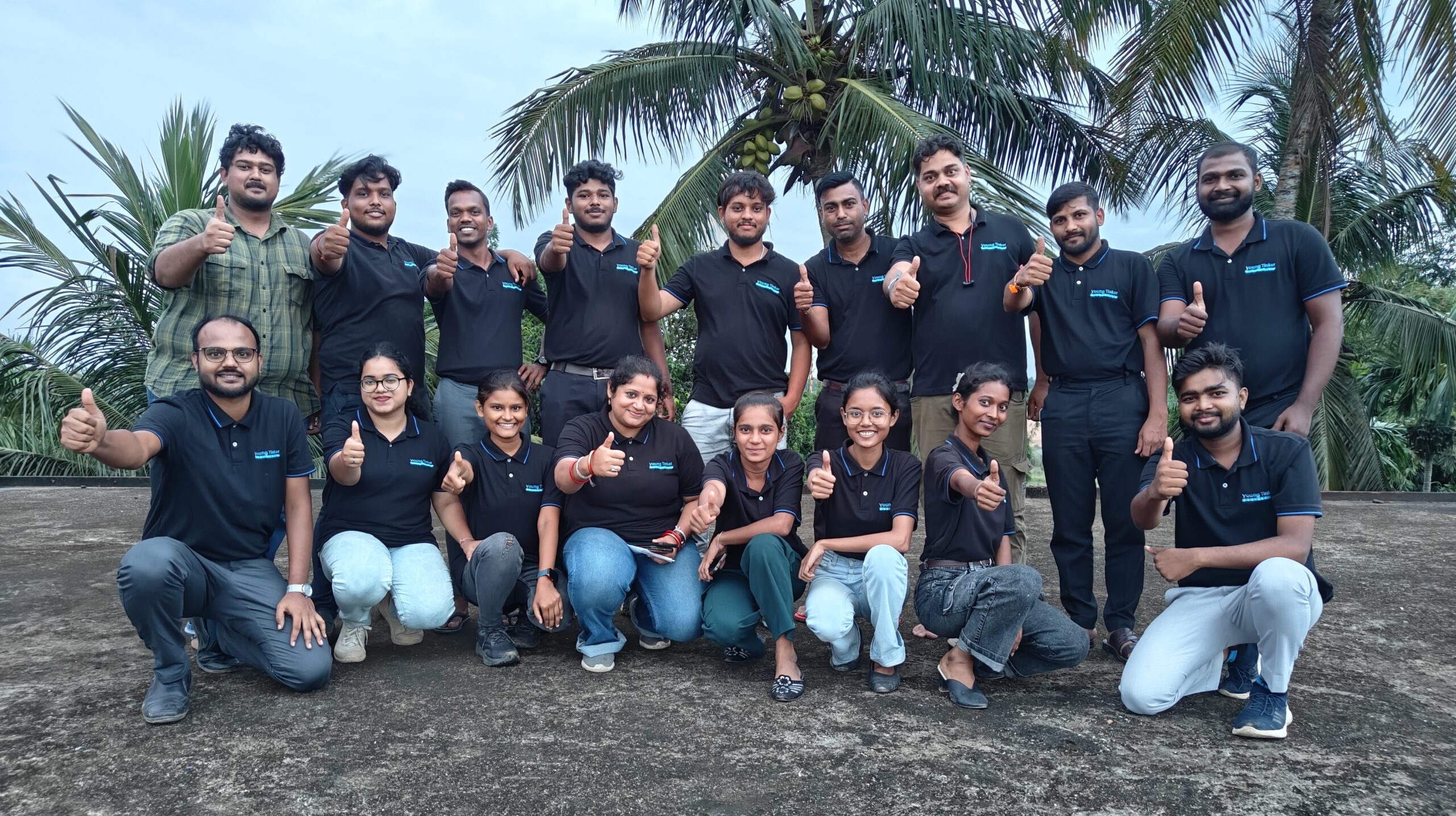
The Young Tinker Team welcomes the new Fellows at Young Tinker Baral Campus, 42mouza, Cuttack, Odisha
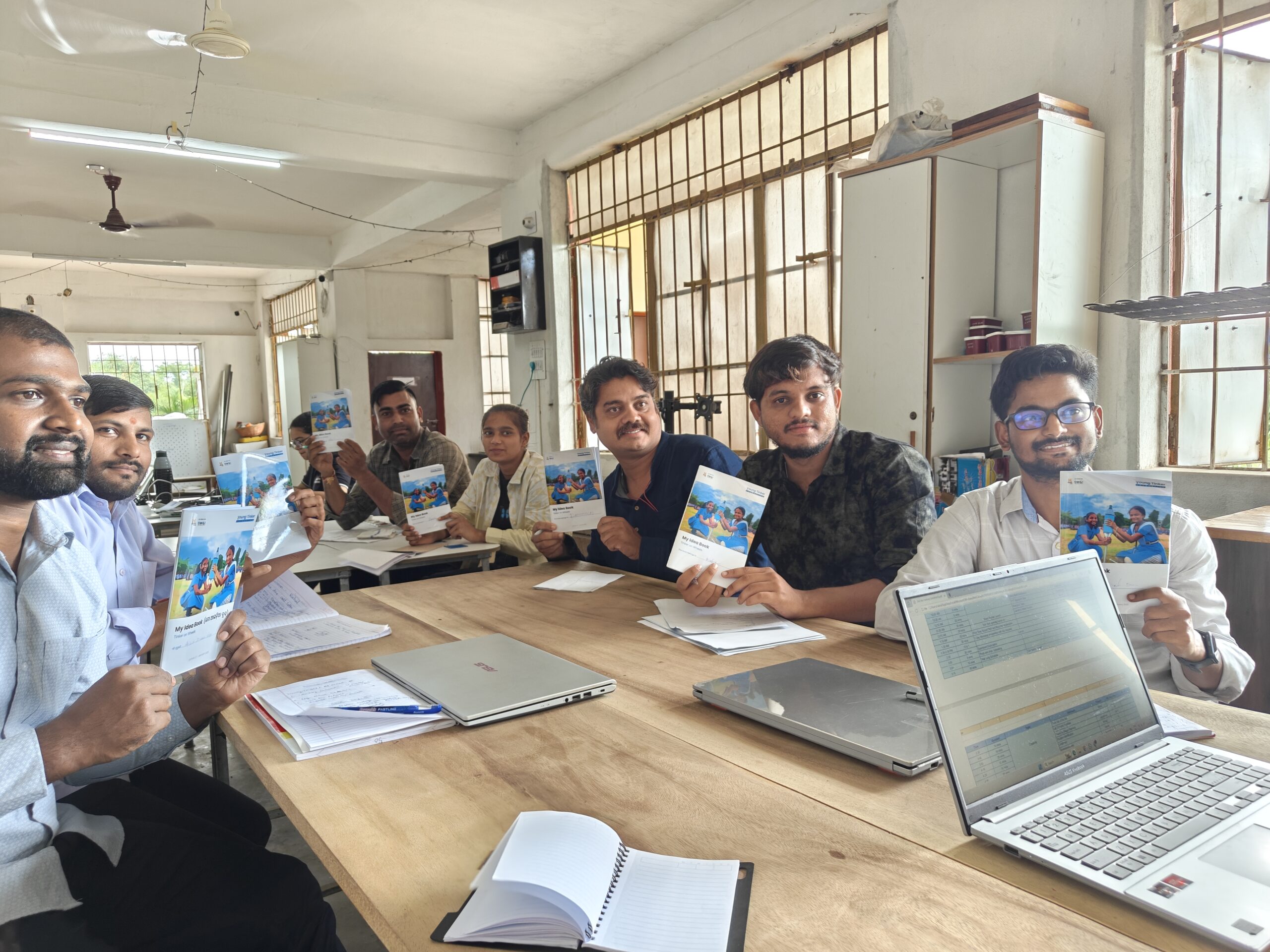
On 25th August 2025, Young Tinker Foundation warmly welcomed its new batch of passionate fellows from Delhi, Telangana, Maharastra and Odisha. True to its mission, the Foundation is dedicated to shaping these young changemakers with the right skills, knowledge, and values—preparing them to become future leaders of impact. This year’s fellowship training is being held in Baral, a small village on the outskirts of Cuttack, Odisha. Baral is very special to the Foundation—not only is it the training ground, but it is also the place where Young Tinker Foundation was born. Beginning their journey here helps fellows connect with the roots of the organization and its spirit of innovation and social change.
About our Fellowship Program:
The Young Tinker Fellowship is a structured learning and leadership journey designed to nurture innovators, changemakers, and future leaders. Hosted at the YTF Baral Campus in Cuttack, Odisha, the fellowship equips young minds with skills in problem-solving, innovation, and leadership while offering real-world exposure to community-driven challenges.
The program is thoughtfully divided into five progressive stages:
Seed (1st Semester): Fellows begin their journey with intensive training at the YTF Campus. The Changemaker Track focuses on building strong foundations in problem-solving and leadership, while the Leader Track emphasizes management exposure and scaling strategies.
Sprout (2nd Semester): Learning extends beyond the classroom into real-world settings. Fellows apply their knowledge to identify challenges and design creative, context-driven solutions.
Sapling (3rd Semester): This phase is about strengthening core skills. Changemakers cultivate an entrepreneurial mindset, while leaders focus on honing their fundraising, policy engagement, and leadership abilities.
Bloom (4th Semester): Fellows expand their projects and impact. Changemakers work on reaching students across nearby districts, while leaders scale their initiatives to new geographies through partnerships, including with government bodies.
Harvest (Graduation): At this stage, fellows are fully prepared to advance the mission. Changemakers mentor new fellows and scale their innovations, while leaders step into impactful roles in the education sector, policy, or even launch entrepreneurial ventures.
The fellowship is not just an academic experience—it is a transformation journey that equips young people to innovate, lead, and drive change at scale. By the end of the program, fellows are ready to create meaningful impact in their communities and beyond.
Setting the Foundation
The training program began with a detailed introduction to the organization—its mission, goals, culture, and the true meaning behind its name. Fellows also learned about the Foundation’s flagship initiatives:
Young Tinker Space (YTS)
Tinker on Wheels (ToW)
They were also inspired by the Foundation’s proud achievement at the NASA Human Exploration Rover Challenge, a milestone that continues to guide its spirit of creativity and resilience.
The sessions further highlighted the organization’s principles, code of conduct, and unique operational frameworks like FATAC and DMW, helping fellows understand how the Foundation turns vision into action.
Learning Through Tinker on Wheel (ToW)
Tinker on Wheels (ToW) tour
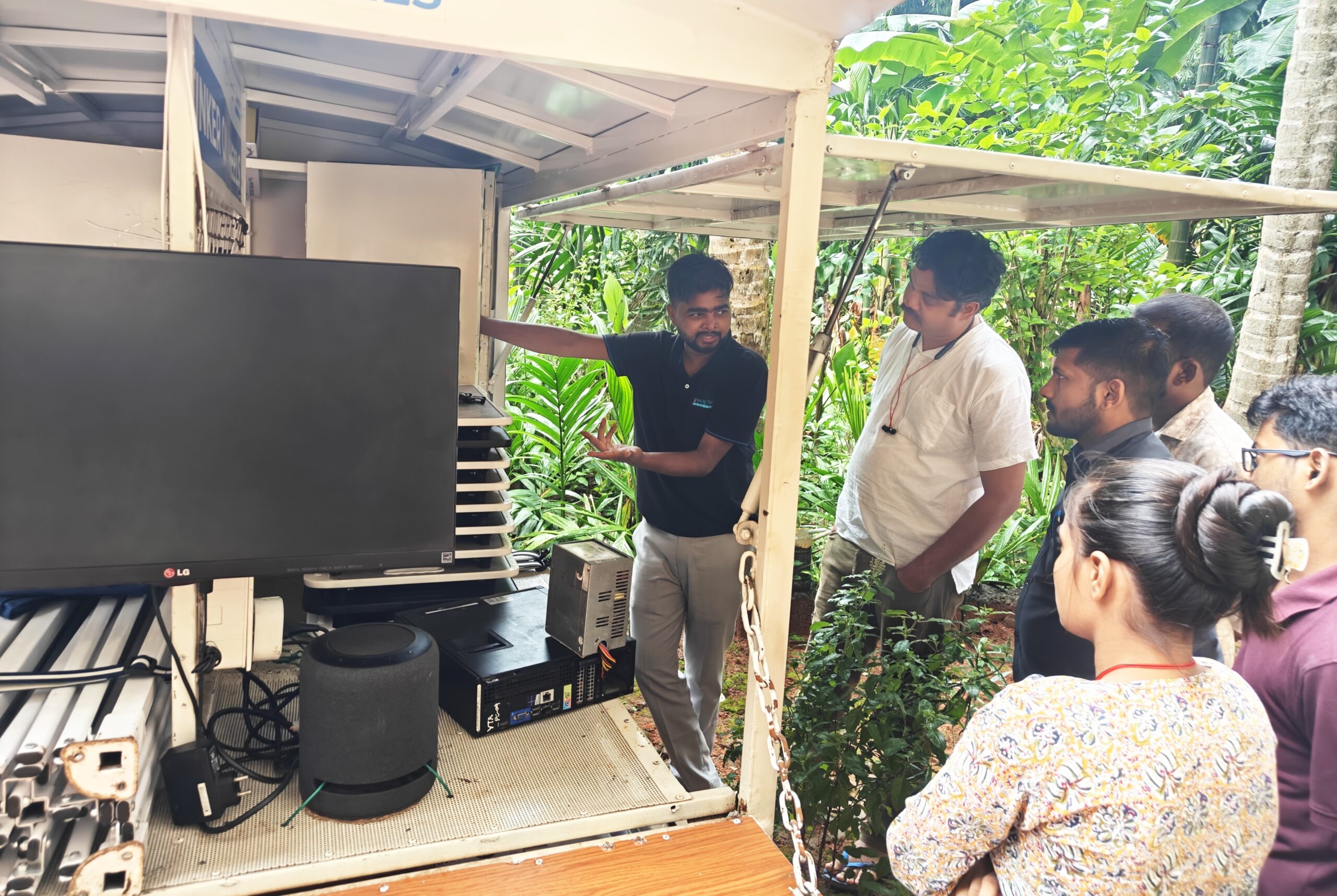
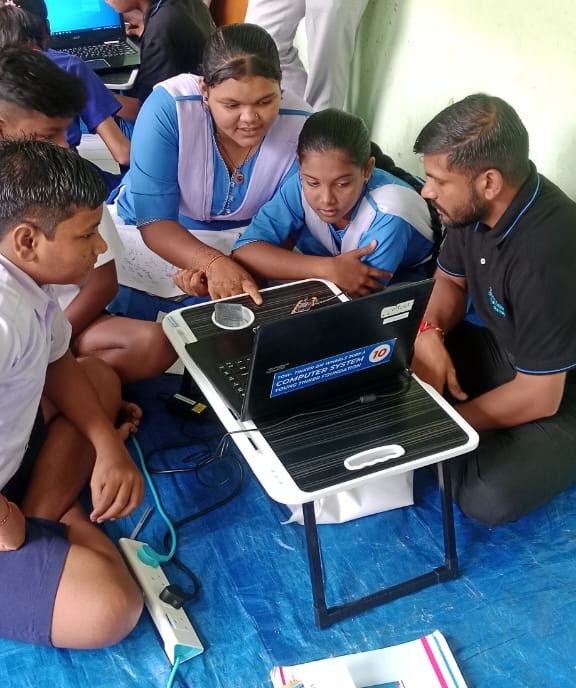
Following orientation, the training shifted focus to Tinker on Wheels (ToW)—one of the Foundation’s most impactful initiatives. Through ToW, hands-on learning is taken directly to schools, sparking creativity and innovation among students.
The fellows learned not only how to present ToW to schools but also how to conduct engaging sessions. They gained practical exposure to both technical activities (like working with tools and equipment) and facilitation skills (like interacting with students and teachers).
Amidst the training, the fellows had the wonderful opportunity to meet and interact with Mr. Omar Momin, Head of Godrej Foundation, during his visit to the training center. His presence added immense value and encouragement to the cohort.
Learning about the ToW equipments
Hands-on STEM training
In the coming days, the fellows will step outside the classroom to visit schools and conduct sessions themselves. This real-world exposure will allow them to apply their learning, connect with students, and experience fieldwork firsthand.
The training has given them a blend of technical know-how and facilitation skills, preparing them to confidently lead impactful sessions. With this strong foundation, we are excited to see them carry forward the mission of fostering creativity, innovation, and resilience among young learners across communities.
A Five-Day Workshop at Balunkeshwar High School, Deuli
Five days workshop begins at Balunkeshwar High School
On August 30, 2025, the Young Tinker Foundation’s new fellows began their on-field training as mentors, during a five-day workshop. As part of their hands-on training, these new trainees spent a humbling and inspiring five days at Balunkeshwar High School in Deuli, Odisha—transforming their preparation into practice and imparting meaningful STEM experiences to students.
Day 1 – Igniting Curiosity
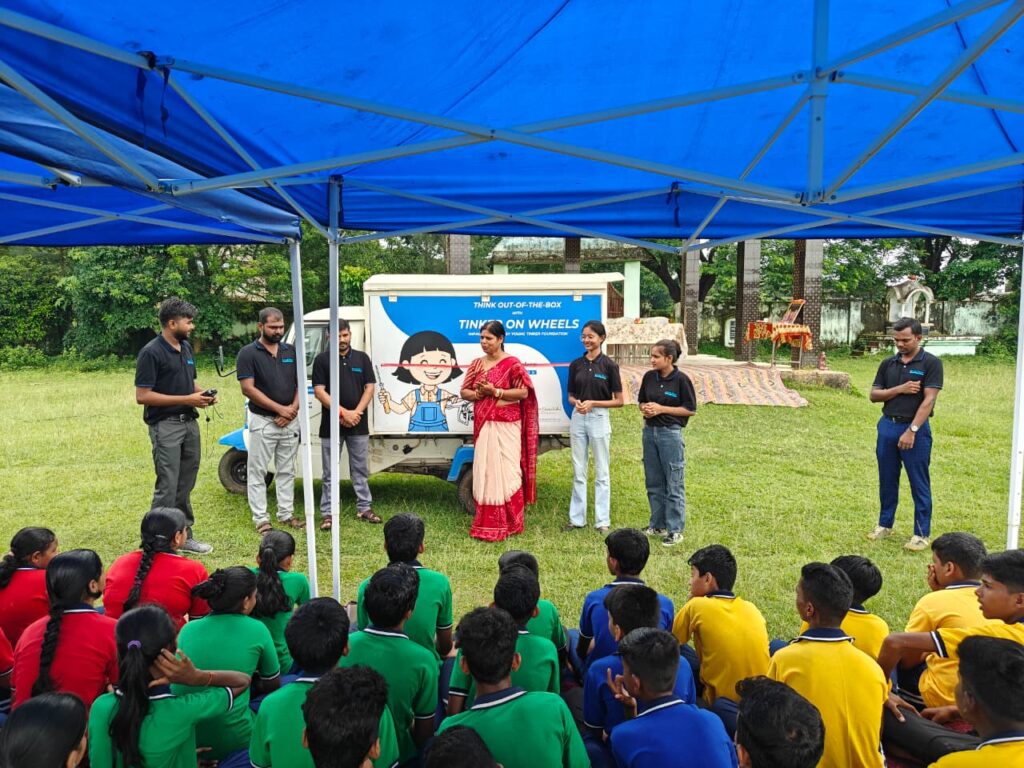
Respected principal of the school inaugurating the ToW and the workshop
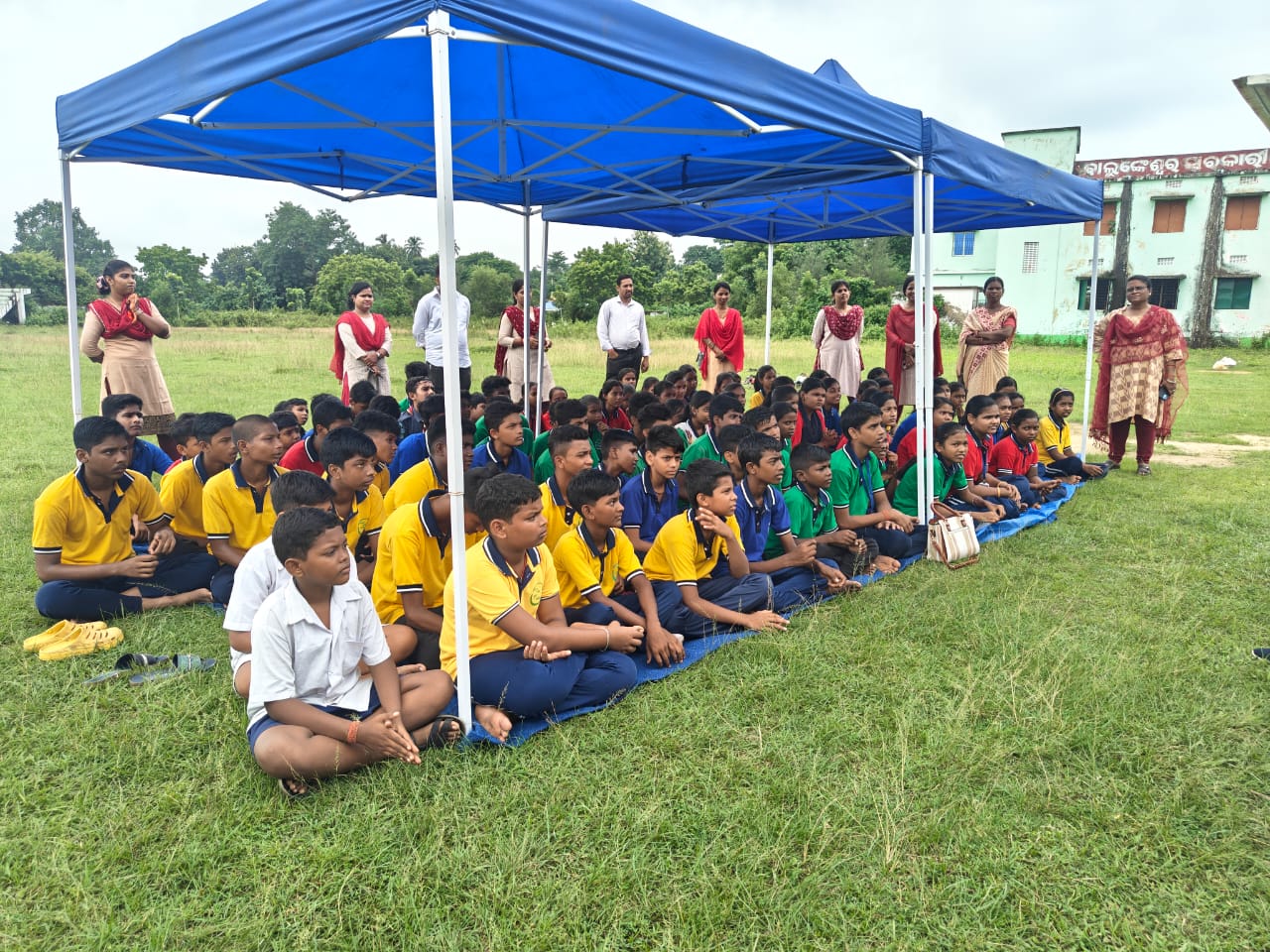
Children carefully attending the sessions
Our journey began with a warm inauguration of the ToW unit by the school’s respected Principal—setting a tone of excitement and learning. Trainees introduced themselves and the Foundation’s mission, forging early connections with the students.
Students took charge by electing a leader and co-leader, which set the stage for inclusive participation. A quick assessment followed, helping our facilitators understand where students stood in their learning journey. The trainees then led an interactive session on Newton’s Laws of Motion, seamlessly blending explanation with engagement. The day culminated in a thrilling rocket launch—reinforcing scientific concepts through wonder, laughter, and hands-on thrill.
Day 2 – Nurturing Creativity
Brainstorming sessions with the mentors
The second day invited students to explore their identities and dreams. They wrote about their hobbies, inspirations, and ambitions in their notebooks. A creative drawing activity followed—students completed a half-drawn image using their imagination. Finally, a rich brainstorming session brought classrooms to life: students envisioned better facilities, thoughtful city and village planning, local challenges, and even entrepreneurship ideas. Their reflections were honest, insightful, and full of potential.
Day 3 – Exploring STEM & Sustainability
Hands-on experience through 3-D models
Learning about AI and 3-D printing
Our focus pivoted toward hands-on STEM learning. Students learned Ohm’s Law and experimented with models illustrating solar and wind energy. They explored bridge construction and the design of rainwater harvesting systems, discovering how DC motors play a role in sustainable infrastructure. Adding modern tech to the mix, trainees introduced students to AI (Artificial Intelligence) and IoT (Internet of Things) concepts. The highlight was witnessing a 3D printer in action, offering a window into the future of making and designing.
Day 4 – Coding, Robotics & Tools in Action
Children coding with Micro:Bit
Learning about bot fuctions and components
Day four unfolded new dimensions: students coded using Micro:Bit, navigating programming on their own laptops under mentor guidance. They then explored a variety of mechanical, electrical, and farming tools, gaining tactile knowledge rarely available in traditional classrooms. To wrap up, students interacted with a functioning bot—understanding its components and seeing robotics come alive with their own hands.
Despite facing numerous challenges, our trainees delivered all modules in four full days—demonstrating resilience, adaptability, and determination. For the students, this workshop was far more than STEM—it offered joy-filled exploration, confidence in learning, and new possibilities. For our young fellows, it was a chance to test their teaching skills, identify challenges in real-world delivery, and discover their strengths on the ground. This experience doesn’t just enrich their skills—it shapes them into more empathetic, resourceful educators ready to make meaningful impact across regions.
Sleep Box (Dormitory for Fellows)
Bunk beds designed by Young Tinker team
The program concluded on 4th September. The conclusion of our 9-day workshop marked more than just the end of a training session—it signified the beginning of a deeper journey for our fellows. Designed not only to introduce them to the organization’s mission and values, the training also offered a firsthand glimpse into the conditions they may encounter in the field. From living in a basic container accommodation with minimal facilities, to sharing simple meals and relying on local modes of transportation, fellows were immersed in an environment that closely mirrors the realities many of our community’s face.
Beginning of a new jounery - End of 1st Sem training program for the new fellows
This intentional exposure was both eye-opening and grounding. By stepping into these day-to-day experiences, our fellows began to understand the nuances and challenges that come with working at the grassroots level. More importantly, it helped them start building the mental and physical resilience needed to serve effectively and empathetically in the field.